

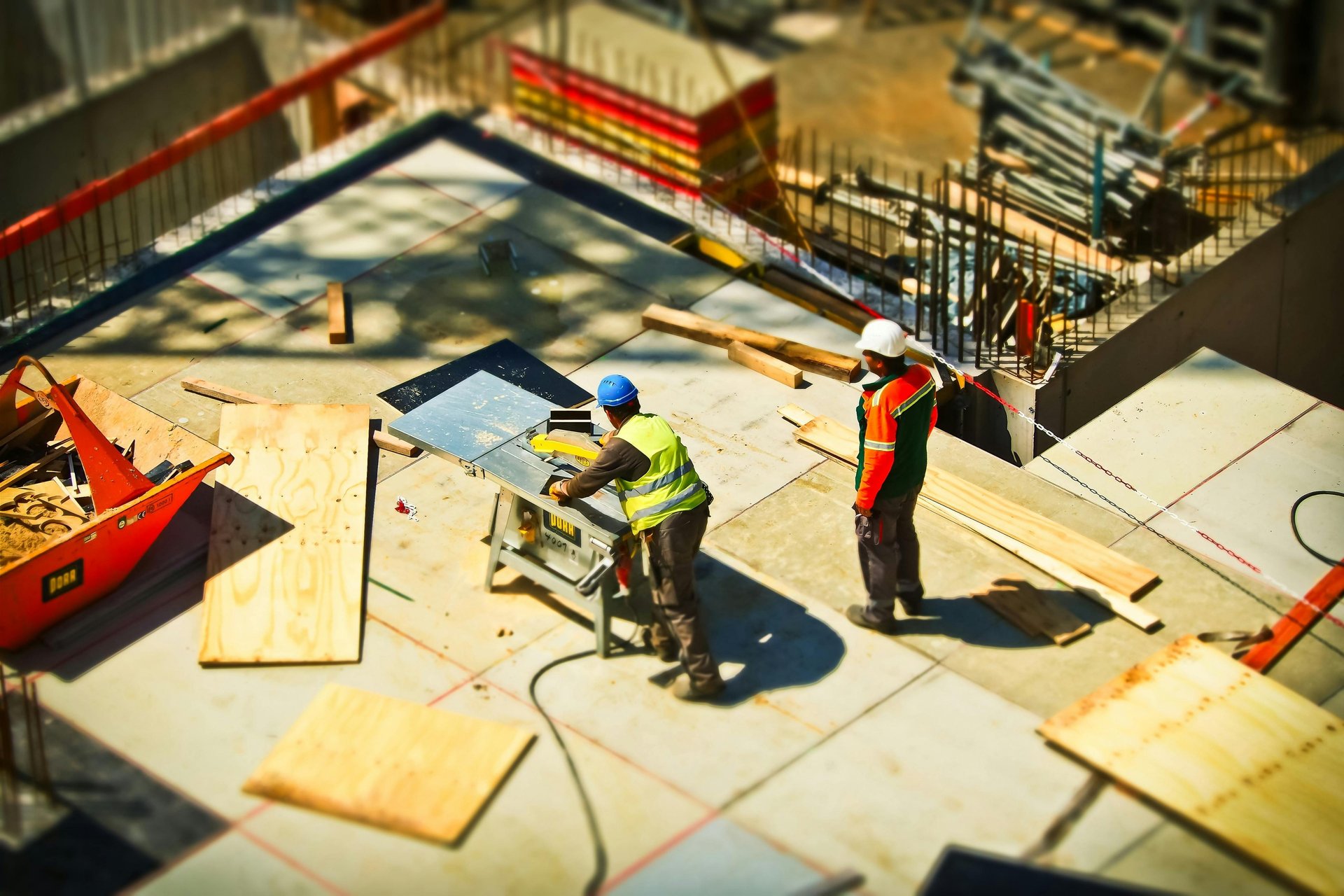
Construction
OSHAid is the mobile app that simplifies hazard assessments for construction companies.
Pre-loaded with the risks specific to your trade (falls from heights, manual handling, working on scaffolding, power tool use, dust/silica, and on-site multi-trade activity), the app guides you step by step to identify, evaluate, and prevent everyday hazards.
Result: an always-up-to-date hazard assessment, less paperwork, and audit-ready compliance.


Beta version
Free download

OSHAid
Built for your trade
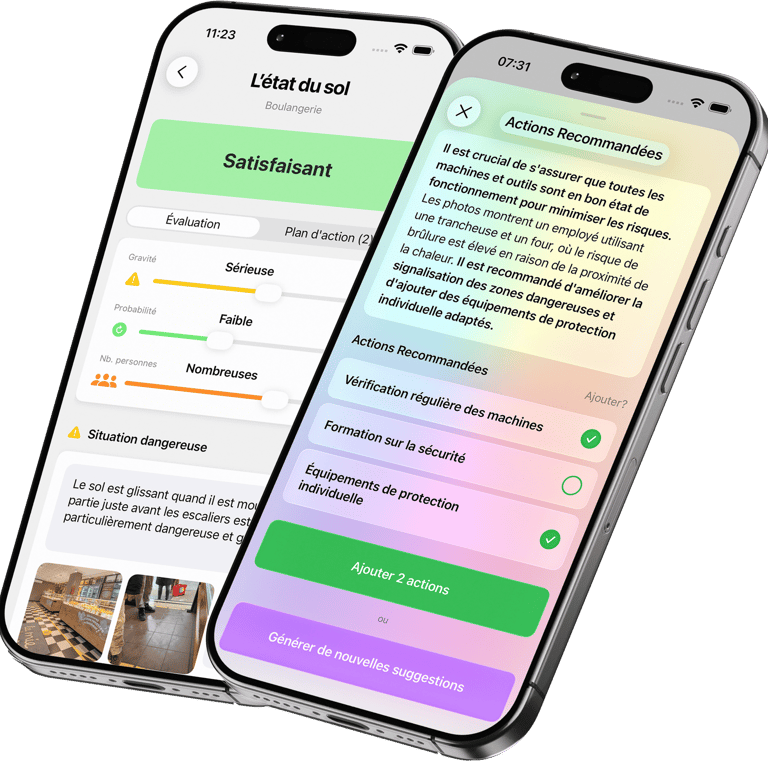
OSHAid for Construction is built on proven industry expertise. The app is pre-loaded with the main risks specific to your activity (falls from heights, manual handling, machinery, electrical, dust/silica, multi-trade activity, noise, vibrations) and the recommended prevention measures.
You can always add your own risks and adjust them in real time directly from your phone.
With its step-by-step guidance, OSHAid helps you assess, prioritize, and document risks quickly — significantly reducing the exposure of your teams and on-site contractors.
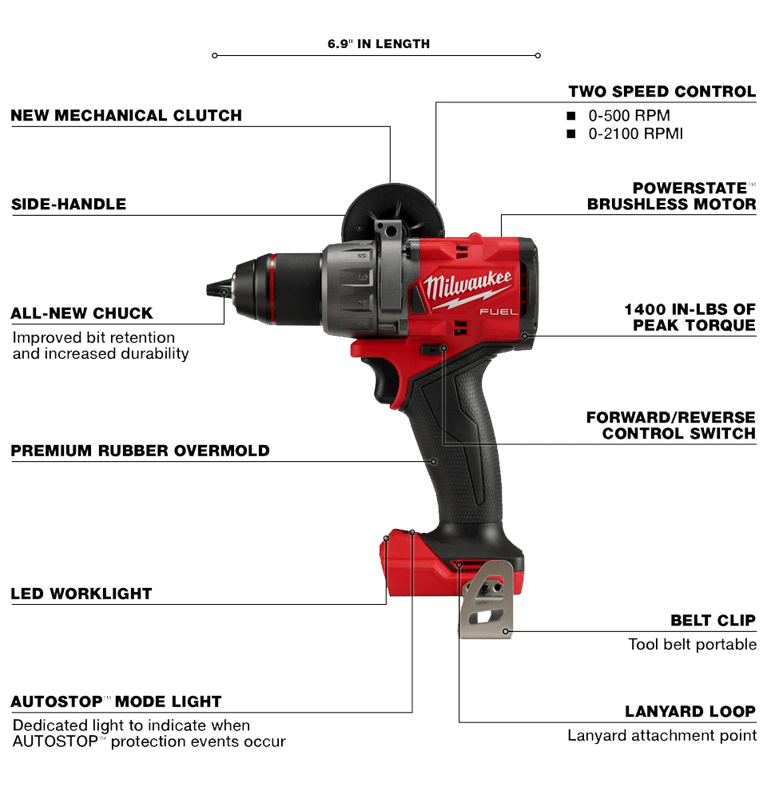
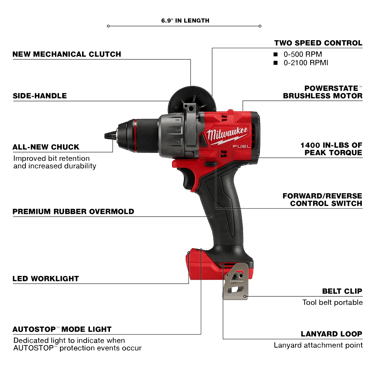
Pre-loaded equipment library
OSHAid lets you import the list of your most-used equipment. Each equipment record details the associated risks, safety guidelines, and best practices to protect your employees when operating the machines.
All types of documents can be updated remotely: you always have the latest recommendations on hand, plus manufacturer contact details for maintenance and support.
Tailored to your trade
Updates pushed to all users at the same time
Accessible anywhere, anytime, from your phone
Customizable and interactive: add your own equipment or adapt the guidelines to your real-world operations.
The outcome: better information and more safety.
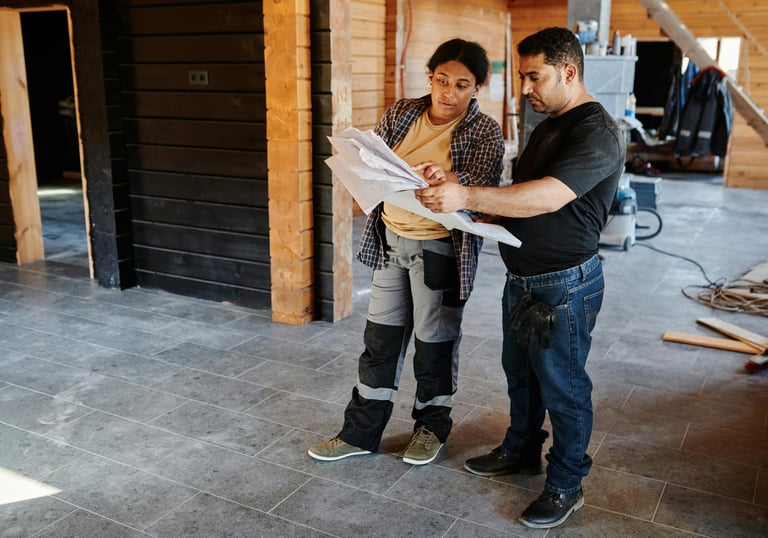
Tap into the community's experience
OSHAid draws on the collective experience of all its users to continuously enrich and update its recommendations.
Every update strengthens safety for every user. Tap into the community's strength to anticipate risks and reduce your exposure for the long term.
Testimonial
OSHAid is built for the day-to-day reality of a site supervisor. In just a few minutes, I can load in the equipment and machines we actually use on site (mini-excavator, aerial platform, scaffolding, grinder, hammer drill, generator…). Each record clearly states the risks, safety guidelines, and best practices, which makes on-site reminders easier and reduces oversights.
The real win: everything updates remotely. I always have the latest recommendations on hand, plus manufacturer contact details for maintenance or support, without chasing paperwork.
The result: we save time, the team is better informed, and safety improves measurably on the job site.
— Manuel Martinez, Site Supervisor (Little Rock)
Construction Hazard Assessment FAQ
What is a hazard assessment in construction?
A construction hazard assessment is the workplace risk evaluation document applied to the building trades. It identifies, evaluates, and ranks the risks workers may be exposed to on job sites, in workshops, depots, or while traveling. In construction, it turns field observations into concrete prevention actions to better protect crews and secure operations.
Is the hazard assessment mandatory in construction?
Yes. The hazard assessment is mandatory in construction from the moment the first employee is hired. This applies to general contractors, building tradespeople, renovation companies, structural and finishing contractors, and specialty firms. Even a small construction business must keep an up-to-date document.
Is it required for a tradesperson with a single employee?
Yes. A construction tradesperson with a single employee must have a hazard assessment. This applies to a mason, painter, plumber, electrician, roofer, tile setter, carpenter, or drywaller employing an apprentice, helper, or laborer. As soon as there is at least one employee, the assessment is mandatory.
Why is it essential in construction?
In construction, risky situations are numerous: working at heights, manual handling, power tool use, machinery traffic, multi-trade activity, and exposure to dust, noise, or chemicals. The hazard assessment is essential because it helps the company structure its prevention efforts, reduce accidents, better organize job sites, and meet regulatory obligations.
What are the main risks to include in a construction hazard assessment?
A construction assessment generally needs to cover the most common risks in the sector: falls from heights, falls on the same level, manual handling, carrying loads, scaffolding risks, machinery and tool use, vehicle traffic, multi-trade activity, noise, vibrations, dust, electrical risks, chemicals, weather conditions, fatigue, and physical strain. The document should reflect the risks your teams actually face.
What construction-site risks should be covered?
On a construction site, the assessment often needs to include specific risks such as trenches, collapses, working at heights, roof work, lifting operations, falling objects, work near utility networks, vehicle traffic, exposure to silica, cement, fumes, solvents, and weather. Each work environment requires its own evaluation.
Which construction trades are concerned?
All construction trades are concerned by the hazard assessment as soon as there is at least one employee. This includes masonry, roofing, plumbing, electrical, carpentry, painting, earthworks, tile setting, public works, renovation, insulation, HVAC, locksmithing, and machinery operation.
OSHAid draws on the collective experience of all its users to continuously enrich and update its recommendations. Every update strengthens safety for every user. Tap into the community's strength to anticipate risks and reduce your exposure for the long term.
Simple, fast, and effective
Try OSHAid for free, no commitment.


Solutions for large organizations
Beta version

Free download