


Retail & Commerce
OSHAid is the mobile app that simplifies hazard assessments for the retail and commerce sector.
Pre-loaded with the hazards specific to retail and commerce trades (slips and falls on the sales floor or stockroom, manual handling and musculoskeletal disorders during restocking, cuts from unpacking and box cutters, falls from stepladders, bumps and crush injuries in receiving areas, shared activity in back-of-house, basic electrical hazards, exposure to cleaning products, stress and psychosocial hazards, incivility/theft and confrontational situations, cold-room exposure for grocery operations) — OSHAid guides you step by step to identify, evaluate, and prevent everyday hazards.
The result: an always-up-to-date hazard assessment, less paperwork, and OSHA-ready compliance for any inspection or audit.


Version bêta
download gratuite

OSHAid
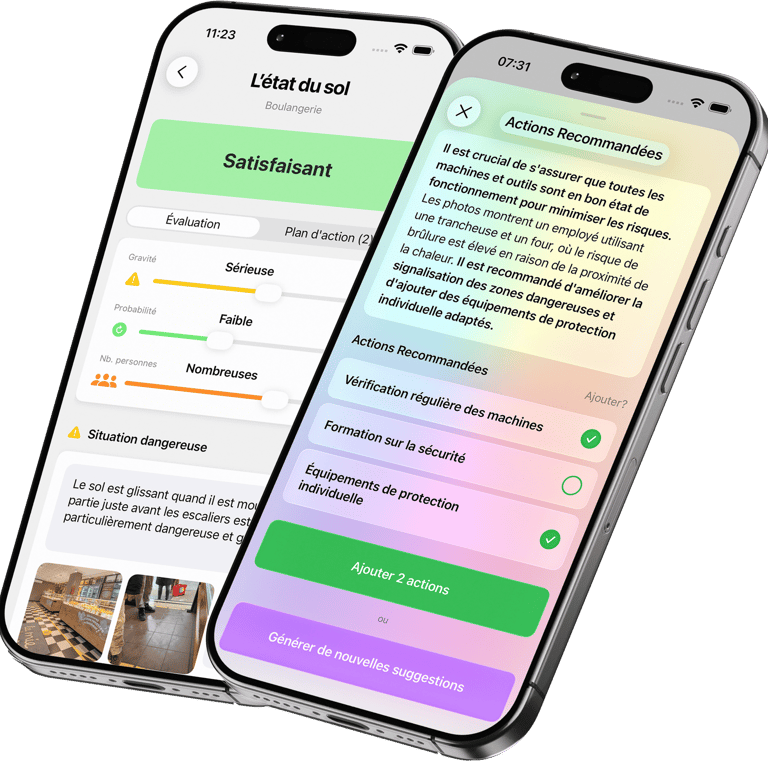
Built for retail
OSHAid for retail and commerce draws on proven sector expertise. The app comes pre-loaded with the principal hazards specific to your activity — slips and falls on the sales floor, manual handling and musculoskeletal disorders during restocking, cuts (box cutter, cardboard, film), low-height falls (stepladders), bumps and crush injuries in receiving and the back-of-house, shared activity, exposure to cleaning products, basic electrical hazards, stress and psychosocial hazards, incivility/theft and confrontational situations — along with recommended prevention measures.
You can extend this content anytime by adding your own hazards and adjusting them in real time directly from your phone (store layout, schedules, peak traffic, freight type, sensitive areas, contractors).
Thanks to its step-by-step guidance, OSHAid helps you evaluate, prioritize, and document hazards quickly, while significantly reducing exposure for your in-store teams, stockroom staff, and contractors — without adding day-to-day overhead.
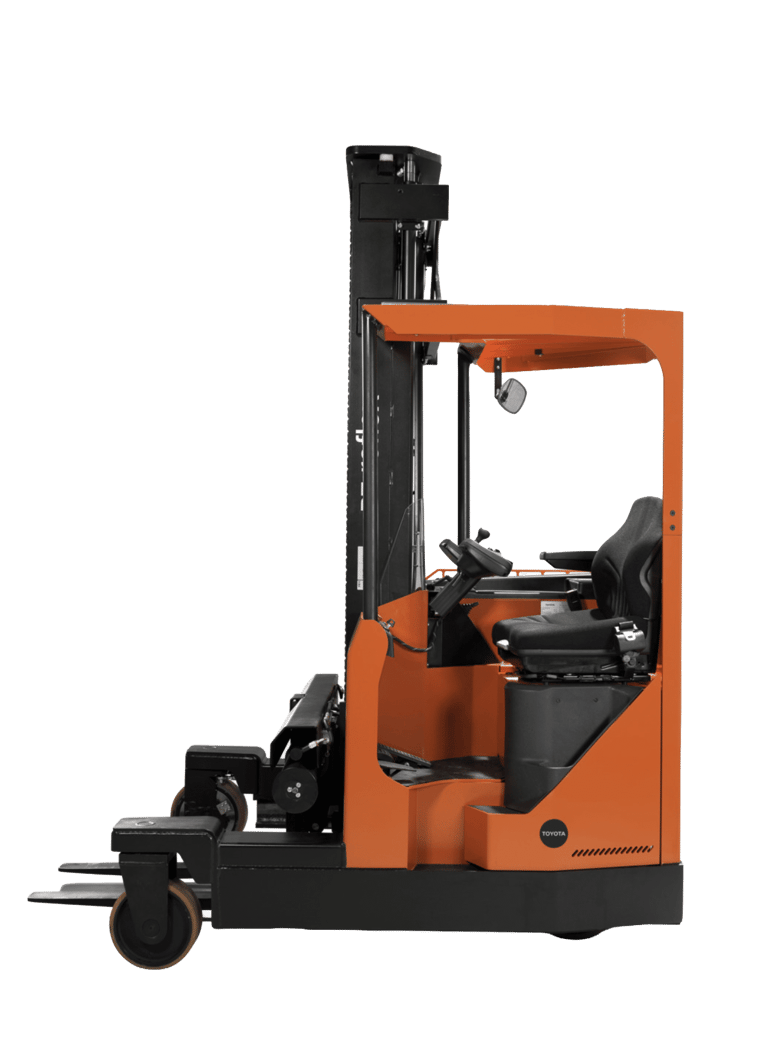
Pre-loaded equipment list
OSHAid lets you add your most-used equipment to one centralized list. Each product card details the associated hazards, safety guidelines, and best practices to protect you and your employees when operating the equipment.
All documentation can be updated remotely: you always have the latest recommendations on hand, along with manufacturer contacts for maintenance and support.
• Tailored to your operation
• Real-time updates for every user, simultaneously
• Accessible anywhere, anytime, from your mobile device
• Customizable and interactive: add your own equipment or adapt the guidelines to match your day-to-day reality
The result: better information and stronger safety.


Benefit from the community's experience
OSHAid draws on the collective experience of its entire user base to continuously enrich and update its recommendations. Every update strengthens safety for every user. Tap into the strength of the community to anticipate hazards and durably reduce your exposure.

Customer story
OSHAid was a real eye-opener for our store. In just a short time, I was able to structure our reality: the sales floor, the stockroom, the receiving area, the cold rooms when we have them, and the equipment we use every day (stepladders, pallet jacks, box cutters, compactors, cleaning products...). The cards are easy to understand and, above all, action-oriented: you know what to check, what to fix, and how to prevent. The result: teams adopt the right reflexes faster, and we cut down on the "small everyday incidents" that happen too often (slips, cuts, back pain, falls during stocking).
What I particularly appreciate is the flexibility. I can adjust our guidelines based on store organization, peak periods, or whenever we change the layout and customer flow — without starting from scratch and without losing documents.
The bottom line: we gain clarity, traceability, and peace of mind. Prevention becomes simpler to manage, and we feel ready if an inspection or audit comes up.
— Sophie Bernard, Store Manager (Bordeaux)


Retail Hazard Assessment FAQ: obligations, occupational hazards, and prevention
Q1. What is a hazard assessment in retail and commerce?
A retail hazard assessment is the structured document that identifies, evaluates, and prioritizes the workplace hazards employees may be exposed to across in-store activities, stockroom and back-of-house operations, deliveries, and customer-facing roles in stores, boutiques, specialty shops, supermarkets, wholesale, and distribution. It turns field observations into concrete prevention actions to better protect teams, secure operations, and improve organization.
Q2. Is a hazard assessment required for retail businesses?
Yes. Under OSHA's General Duty Clause, every retail employer with at least one employee must provide a workplace free of recognized hazards likely to cause death or serious physical harm. This applies to neighborhood shops, boutiques, specialty stores, chain stores, convenience stores, grocers, retail chains, wholesalers, and distributors. Even a small retail business must keep a documented hazard assessment up to date.
Q3. Sole shopkeeper with one employee: is a hazard assessment still required?
Yes. The moment a retail business employs at least one worker — sales associate, cashier, multi-purpose employee, store lead, stocker, warehouse helper, or apprentice — the employer must perform a documented hazard assessment. Small headcount does not remove the obligation.
Q4. Why is the hazard assessment essential in retail?
Retail work involves many risk situations: manual handling, stocking, repetitive motions, prolonged standing, frequent walking, stepladder use, customer interactions, fatigue, stress, extended hours, deliveries, and operational constraints. The assessment is essential because it structures prevention, reduces incidents, improves working conditions, and supports the employer's OSHA obligations.
Q5. What are the main hazards to cover in a retail hazard assessment?
A retail assessment generally covers the most common hazards in the sector: manual handling, lifting, musculoskeletal disorders, slips and falls on the sales floor and stockroom, stepladder use, low-height fall hazards, struck-by incidents during stocking, cuts (box cutters, cardboard, film), fatigue, prolonged standing, repetitive motions, electrical hazards, exposure to cleaning products, stress, customer-conflict situations, off-hour schedules, and peak-traffic constraints. The document should reflect the hazards actually encountered.
Q6. What store- or boutique-specific hazards should the retail assessment include?
The assessment should include store-specific exposures: stocking, unpacking, receiving, stockroom organization, cart and roll handling, opening and closing routines, register operations, prolonged standing, customer interactions, verbal-aggression and theft risks, and peak-traffic periods. The assessment must be tailored to the store's actual organization.
Q7. Which retail roles are covered by the hazard assessment?
Every retail role is in scope as soon as there is at least one employee. This includes sales associates, cashiers, multi-purpose employees, store leads, boutique managers, merchandisers, stockers, warehouse helpers, receivers, stockroom staff, retail-chain teams, wholesale teams, and distribution teams.
Q8. Which workstations should a retail assessment cover?
A retail assessment should cover the actual work units of the business. This can include customer reception, sales, register, stocking, stockroom, receiving, order preparation, inventory, cleaning, deliveries, store transit, supervision, and administrative tasks. The goal is a document faithful to how the activity is actually organized.
Q9. How do you build a hazard assessment for a store or retail business?
Start by identifying the work units, spotting the hazards, analyzing exposure situations, evaluating the hazards, then defining concrete prevention measures. In retail, anchor the work in the field reality: type of store, customer flow, storage, manual handling, team organization, schedules, equipment used, and circulation in the stockroom and on the sales floor. A solid retail assessment must be practical, clear, and tailored to the actual activity.
Q10. When should a retail assessment be updated?
Update the assessment whenever a meaningful change affects working conditions or the hazards. In retail, that can be a reorganization, a store remodel, new equipment, new storage methods, new schedules, an activity surge, an accident, a near-miss, or a change in customer profile. It must stay aligned with the field reality.
Q11. What documents or information should you use to prepare a retail assessment?
Draw on field observations, workstations, past incidents, near-misses, internal procedures, safety guidelines, equipment in use, cleaning products, delivery organization, customer flow, and conversations with the teams. The more the document is built from real practice, the more useful it becomes for prevention.
Q12. Is there a hazard-assessment example for a retail or store business?
Yes — but examples should always be adapted to the actual business. A good retail, store, or boutique assessment should never be a generic template. It must account for the type of store, team size, store layout, the merchandise handled, customer flow, and concrete exposure situations.
Q13. What's the difference between a generic assessment and one adapted to retail?
A generic assessment often stays too theoretical. A retail-adapted assessment accounts for field realities: prolonged standing, manual handling, stocking, stockroom work, deliveries, customer reception, register operations, peak periods, stress, extended hours, and the organization of the retail space. In retail, an over-generic document quickly loses operational value.
Q14. Can the hazard assessment improve safety in a retail business?
Yes. When it's built well, the assessment isn't just a regulatory checkbox. It becomes a concrete tool to drive prevention, prioritize actions, improve working conditions, raise team awareness, reduce incidents, and strengthen safety in the store.
Q15. What are the most common occupational hazards in retail?
The most common occupational hazards in retail are manual handling, musculoskeletal disorders, falls, slips, fatigue, prolonged standing, repetitive motions, struck-by incidents, cuts, stress, customer-related tensions, psychosocial hazards, and incidents in the stockroom or during deliveries. An effective assessment must surface these exposures so the right prevention measures can be put in place.
Q16. Should the assessment differ across boutique, store, food retail, or large-format retail?
Yes. The assessment must be adapted to each activity. A clothing boutique doesn't face the same hazards as a grocery store, a hardware store, a convenience store, a retail pharmacy, a food-retail outlet, or a big-box store. Products, manual handling, customer flow, schedules, equipment, and work situations all change. A relevant retail assessment is personalized to the actual activity.
Q17. Should the retail assessment include the stockroom, register, and customer relations?
Yes. In retail, the assessment must cover all real work situations, including the stockroom, register, deliveries, stocking, cleaning, opening and closing, and customer relations. The hazard assessment must not be limited to the sales floor alone.
Q18. Should the retail assessment include psychosocial hazards?
Yes. In retail, psychosocial hazards must be included in the assessment. That can cover stress, sales pressure, peak-traffic periods, extended hours, fatigue, customer-related tensions, incivility, mental load, and organizational difficulties. These factors can directly affect team health and the proper functioning of the store.
Simple, fast, and effective
Try OSHAid for free, no commitment.


Solutions for large organizations
Beta version

Free download